

Recent Blog Posts
Can You Modify a No-Contact Order in Washington?
 You can ask a Washington court to modify or end a no-contact order, but only the judge can change it. An agreement between you and the protected person has no effect, and contacting them to work something out can itself be a violation. A no-contact order limits who you are allowed to be around or communicate with, and when living arrangements or family situations change, those restrictions can create real problems.
If you're looking to change a no-contact order in 2026, a Tacoma, WA domestic violence defense attorney can explain the process and help you request a change.
Who Can Ask to Change a No-Contact Order in Washington?
Either the defendant or the protected person can file the request, and in practice it is often the protected person who wants the order lifted. That request carries weight with the court, but it does not decide the outcome.
Can You Face Federal Charges for a Drug Crime in Washington?
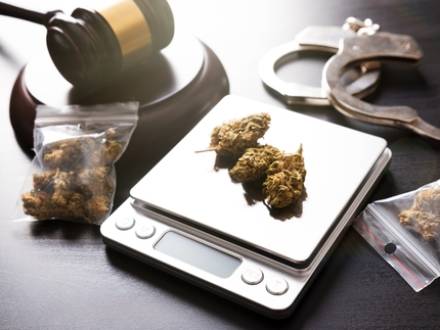 A drug crime committed in Washington can lead to federal charges. This can happen when the conduct violates federal drug law and federal authorities decide to prosecute the case. Federal cases may involve drug trafficking, distribution, manufacturing, or a drug conspiracy.
A federal case can be very different from a case in Washington state court. Federal investigations often involve agencies such as the Drug Enforcement Administration (DEA) or the FBI. A federal drug conviction can also lead to serious prison time.
Our Tacoma drug crimes attorney represents people facing state and federal drug charges and can help you understand what to expect in your case.
What Can Cause a Drug Case to Become Federal in Washington?
Federal authorities do not take over every drug case in Washington. They may become involved when they believe a case is part of a larger drug operation. Federal charges may also arise when the crime breaks federal law.
License Reinstatement Following Vehicular Homicide Conviction
 A conviction for vehicular homicide in Washington always results in the revocation of your driver’s license. However, revocation does not necessarily mean that you will lose your driving privileges forever.
Depending on the circumstances, you may eventually be able to apply for a new license. The rules for getting your license back are strict. The Washington State Department of Licensing will look closely at your driving record and whether you have completed every requirement. Our Tacoma license reinstatement attorney can help you understand what is possible in your case.
How Long Is Your License Revoked After Vehicular DUI Homicide in Washington State?
Washington Revised Code §46.20.285 requires the Department of Licensing to revoke a driver’s license for two years after a vehicular homicide conviction. However, the revocation period is paused as long as you are incarcerated.
Can online posts lead to criminal charges? 4 times the answer is yes.
 Many people treat posts, direct messages and other comments made online as informal speech. Although a part of our daily lives, it is important to realize that actions and comments made online can be used in court. Courts can treat these comments, posts or messages as evidence of intent, knowledge, planning, identity and motive. This can serve as evidence to support criminal charges.
Conduct that commonly triggers criminal charges
Many online cases begin as personal conflict. Others begin as profit-driven schemes. Both can end in arrest. Examples include:
- No-contact order violations through texts, calls, comments, tagging and indirect messages through third parties
- Harassment, stalking, threats, doxxing and repeated unwanted contact
- Impersonation, account takeovers and unauthorized access
- Phishing, scamming, fraudulent fundraising, fake marketplaces and identity theft
Prosecutors may use texts and social media posts as evidence to support multiple charges. They can add counts for each message, each transaction and each victim. A single post can become a chargeable offense.
How self-defense can apply in domestic violence cases?
In Tacoma, self-defense can play an important role in domestic violence cases. Washington law looks at whether your actions were reasonable in the specific circumstances, rather than just who police arrested at the scene. Understanding how courts evaluate self-defense may help you see what evidence and factors matter most.
Evaluating when force may be lawful
Washington law generally lets you use force if you sincerely believe you face imminent harm. It directs courts to consider three main factors when evaluating whether your actions qualify as self-defense:
- The threat of harm: Did you believe you were about to be hurt, rather than reacting to a past event or a vague future threat?
- The necessity of force: Did it appear at the moment that no other reasonably effective way existed to prevent injury?
How does deferred prosecution work in Washington DUIs?
A DUI arrest in Washington can threaten both your driver’s license and your criminal record. Deferred prosecution offers a potential path to address these charges without a conviction on your record. This legal option requires court approval and comes with strict requirements you must follow for several years. Understanding how the process works can help you determine if this option might fit your situation.
Understanding the two-track system
Washington handles DUI cases through two separate legal processes that run at the same time. The distinction between these tracks matters because deferred prosecution affects both of them in different ways:
What to consider before accepting a plea bargain agreement
Facing criminal charges often involves a plea bargain, a deal where a defendant agrees to plead guilty or no contest. In return, they get a lesser charge or fewer charges, aiming for a lighter sentence. This avoids trial stress but means giving up the right to a trial and admitting guilt. Before signing, there are certain considerations to think of.
Understand the charges and potential penalties
Before a defendant agrees to anything, they must thoroughly understand the specific charges against them. They also need to know the maximum penalties these charges carry.
A plea bargain usually offers a reduced sentence compared to what someone could face if convicted at trial. A defendant must know the difference between the original charges and the proposed plea. They should consider the long-term impact of a conviction on their record, employment, and future opportunities.
Assess the strength of the prosecution’s case
A defendant should evaluate the evidence the prosecution has against them. Does their case seem strong or weak? A strong case from the prosecution might make a plea bargain more appealing. If their evidence appears shaky or insufficient, a defendant might have a better chance at trial. Legal counsel can help critically analyze the prosecution’s evidence and assess the likelihood of a conviction.
Do you really get only one phone call when arrested in Washington?
 It is one of the most ingrained images of an arrest: the frantic accused person on a payphone, desperately using their one chance to call for help. Is your access to legal aid truly that limited? The simple answer is that the "one phone call" rule is misleading.
The law provides specific, actionable rights regarding communication—rights you must know to secure your defense and avoid self-incrimination.
The truth about phone calls after arrest
In Washington State, no law limits arrestees to just one phone call. The actual number of calls permitted depends on several factors:
- The specific policies of the detention facility
- The time of day of the arrest
- The behavior of the arrestee
- The seriousness of the alleged crime
- Legitimate security concerns at the facility
Courts recognize that contact with the outside world serves essential purposes for defendants.
Washington law enforcement must allow reasonable communication with attorneys as part of your Sixth Amendment rights.
4 things Washington students should know about a DUI charge
A college party can feel like a well-earned break from stress, until a short drive home leads to a traffic stop and an underage DUI arrest. In Washington, these cases often catch students off guard because the law treats underage drinking and driving differently than many people expect. Understanding how Washington law approaches underage DUIs can help you respond better during a difficult moment. Here are four key things to keep in mind.
1. Washington enforces strict limits for drivers under 21
Washington follows a zero-tolerance approach for underage drivers. If you are under 21 and have a blood alcohol concentration of 0.02 or higher, you can face DUI-related penalties. This threshold is far lower than the standard 0.08 limit for adults. Even a small amount of alcohol from a party can be enough to trigger serious consequences.
Understanding the degrees and defenses for assault charges
Washington breaks assault charges into different levels depending on the severity of what happened and the reason behind it. The exact facts determine which degree of assault an individual might be charged with under state law. Knowing the differences between the degrees helps a person respond more confidently early on and speak more clearly with a lawyer who can help them understand their options and explain all possible consequences.
How Washington defines each assault degree
Washington law groups assault charges by the seriousness of the injury, the presence or use of a weapon and the defendant’s intent. Here are more details for reference:
- First-degree assault: Intent to cause great bodily harm or the use of a deadly weapon. This is often charged after severe injuries or clear evidence of a weapon.


1105 Tacoma Ave South, Suite A, Tacoma, WA 98402
253-442-7544
From our office in Tacoma, WA, we represent clients in Auburn, Bonney Lake, Centralia, Chehalis, Des Moines, DuPont, Edgewood, Federal Way, Fircrest, Fife, Gig Harbor, Kent, Lakewood, Milton, Normandy Park, Olympia, Orting, Pacific, Parkland, Puyallup, SeaTac, Seattle, Spanaway, Steilacoom, Sumner, University Place, and other towns and cities throughout King County, Lewis County, Pierce County, and Thurston County.
Results listed are not a guarantee or indication of future case results.